Esophageal Cancer in the Us Social Class Peer Reviewed
Introduction
Esophageal cancer (EC) is ranked equally the seventh most common cancer worldwide with over 570,000 new cases in 2018 (1). The pathology of EC is relatively less understood compared to many other cancers, and it ordinarily shows extremely aggressive clinical features when diagnosed; thus, it is known that EC is the sixth leading cause of malignancy-related death with a five-year survival ratio of xv–20% (ane).
There are two major subtypes of EC, esophageal squamous cell carcinoma (ESCC) and esophageal adenocarcinoma (EAC), which usually occur in either proximal ESCC or distal esophagus EAC, respectively (2). Although ESCC is the predominant pathological type of EC, the incidence of ESCC and EAC can exist very different amidst unlike countries and regions (iii). For case, ESCC patients business relationship for 90% of cases in Communist china, Japan, and southeast Africa countries (4–6); nonetheless, EAC is more prevalent in the United States, Australia, and Western European countries (7–9). Recently, accumulated evidence has suggested that ESCC and EAC are really two unlike diseases (10, 11), equally they accept quite different chance factors and genetic profiles; even so, EAC is more comparable to gastroesophageal junction carcinomas (GEJCs) or gastric cancer (GC). In this review, we will particularly discuss ESCC, the subtype diagnosed for more than 250,000 patients every year in Prc.
The Epidemiology of Esophageal Cancer in China
Esophageal cancer is a significant public health burden in China, although some recent studies have indicated that the incidence of EC is decreasing in the last few decades. In 2012, China contributed nearly half of the global new EC patients. Briefly, EC was the fifth virtually frequently diagnosed cancer and the fourth leading cause of cancer-related death in Communist china, with estimated 286,700 new and 211,000 death cases (12). Another study indicated that at that place were 276,900 newly diagnosed and 206,500 death EC cases in 2013; the incidence was 28.15/105 and 12.15/10v in male person and female, respectively (13), which decreased to 26.46/xv and x.85/105 in 2014 (14). Furthermore, in 2015, it was estimated that the occurrence of EC was 17.87/x5 and a crude bloodshed of 13.68/105 in the Chinese population (15). Indeed, the statistics from the National Central Cancer Registry of Communist china (NCCRC) also showed a decreasing trend of EC incidence and bloodshed in both male person and female populations from 2000 to 2013 (13). Of note, the incidence and bloodshed of EC were quite unlike amidst different regions in Communist china. Provinces well-nigh the Taihang Mountains, such as Hebei, Henan, and Chongqing had a relatively higher EC incidence, whereas in Xinjiang, Jiangsu, Shanxi, Gansu, and Anhui, the EC reported cases were much less (16).
ESCC is the predominant histological subtype of EC in People's republic of china, accounting for 88.84% of all EC cases in the Chinese population (17). Although increasing survival of EC patients were observed in both population-based and hospital-based studies (eighteen, 19), the prognosis for ESCC/EC in China is relatively poor when compared to other cancers, as almost studies reported that EC patients had a five-year survival rate between fifteen and 25% (20, 21). In a population-based written report including 1,033 ESCC patients who received surgery, patients in stages IA, IB, IIA, IIB, IIIA, IIIB, IIIC, and 4 had a 5-yr survival rate of 84.9, seventy.ix, 56.two, 43.three, 37.9, 23.iii, 12.nine, and 3.iv%, respectively (22). Similar findings were reported in another Chinese population-based written report (23). Importantly, the survival for those ESCC patients with distant organ metastasis at the first diagnosis is particularly poor, equally a retrospective study indicated that these patients had a median survival of only six months with 1- or two-yr survival rates of 21.1 or eleven.8% (24), respectively. Furthermore, infirmary-based studies also suggested that the 5-yr survival rate of EC patients was <20% (19, 25).
Risk Factors of EC
The investigation of the risk factors of EC has been carried out for many years. Surprisingly, the risk factors' profiles for ESCC and EAC are quite different even in the same population or the aforementioned area (Figure one).
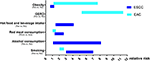
Figure 1. The chance factors profiles for esophageal squamous cell carcinoma and esophageal adenocarcinoma.
Smoking
Tobacco smoking is a take a chance factor for both ESCC and EAC all around the earth, and it was defined every bit one major crusade of EC past the International Bureau for Enquiry on Cancer (IARC) (26). Intriguingly, tobacco smoking is more significantly associated with the incidence of ESCC than that of EAC (27). For current smokers, the gamble of ESCC increased from three to vii times than those who never smoked (27, 28). Another meta-analysis including 52 studies indicated that the run a risk of ESCC was dramatically college in current smokers [risk ratio (RR): iv.eighteen, 95% CI: 3.42–5.12] compared to non-smokers (29). In contrast, smoking cessation could apparently reduce the risk of esophageal carcinogenesis. A reduction in ESCC's take chances in e'er-smokers was axiomatic after 5 years of termination of smoking when compared to current smokers (RR: 0.59, 95% CI: 0.47–0.75), and this difference was fifty-fifty more significant 10 years (RR: 0.42, 95% CI: 0.34–0.51) and 20 years (RR: 0.34, 95% CI: 0.25–0.47) after smoking abeyance (29).
Similarly, tobacco smoking can too elevate the risk of EAC, although the association is not as strong as that of ESCC. Smokers had a nearly two fold higher run a risk of EAC (27, xxx). However, the gamble of EAC did not show any subtract in always-smokers after smoking abeyance, with a risk ratio of 0.72 (95% CI: 0.52–1.01; follow up for 20 years or longer after smoking cessation) compared to current smokers (29).
Alcohol Consumption
The consequence of alcohol overconsumption on EC carcinogenesis has been widely recognized. In America, over lxx% of ESCC patients had alcohol consumption histories (95% CI: 53.iii–85.8%) (31). I meta-analysis including 92,000 light drinkers and lx,000 not-drinkers suggested that light drinking increased the chance of ESCC (RR: ane.30; 95% CI: one.09–1.56), and it was estimated that 24,000 deaths from ESCC were attributed to alcohol drinking globally in 2004 (32). In line with this report, by adjusting historic period, sex, and tobacco smoking, it was reported that the relative risks of ESCC among light drinkers ( ≤ 12.five chiliad/day), moderate drinkers (12.5–50 k/24-hour interval), and heavy drinkers (≥fifty k/day) were one.38 (95% CI: 1.14–1.67), 2.62 (95% CI: ii.07–iii.31), and 5.54 (95% CI: three.92–7.28) compared to non-drinkers, respectively (33).
In China, one report carried out in Huaian, Jiangsu Province, suggested that liquor intake significantly increased the risk of esophageal precancerous lesions [odds ratio (OR): 3.22, 95% CI: 1.28–8.xiii] (34). Another study suggested that booze drinking increased the gamble of ESCC by 1.953-fold in the Chinese population (35). Interestingly, Wu et al. reported that consumption of alcohol only increased the risk of ESCC in males but not in females (36), as supported by another study that indicated that only males who drank alcohol had a 2.two-fold (95% CI: 1.79–2.70) higher ESCC risk (37). Mechanistically, a case-control study that enrolled i,190 patients and i,883 controls revealed that alcohol consumption could collaborate with aldehyde dehydrogenase and alcohol dehydrogenase (ADH), resulting in a markedly elevated ESCC incidence (38).
Intriguingly, till now, neither population-based nor hospital-based studies can determine the association between the susceptibility of EAC and booze consumption. According to a pool analysis including i,821 EAC patients and 10,854 controls, alcohol did not increase the adventure of EAC even for heavy drinkers who had more seven drinks per day (xiv g of ethanol per drinkable), whereas this study too indicated that alcohol drinking was significantly associated with an increased take a chance of ESCC (OR for drinkers more than than seven drinks per day: 9.62, 95% CI: 4.26–21.71) (39).
Dietary
Dietary has been well-divers every bit the risk factor for EC. Low fruit and vegetable intake accounted for 28.7% (95% CI: 11.1–56.5%) of ESCC and 15.3% (95% CI: 5.viii–34.vi%) of EAC cases (31). Moreover, increasing diversities of vegetables and fruits could significantly decrease the risk of ESCC, specially in smokers; withal, this phenomenon is not applicative for EAC (twoscore).
Notably, pickled vegetables are also reported to contribute to the carcinogenesis of ESCC, as one study in Jiangsu Province, China, suggested that ingestion of pickled nutrient was correlated with college incidence of esophageal precancerous lesion (34). Furthermore, another meta-analysis that included 34 studies revealed that consumption of pickled vegetables increased the run a risk of ESCC ~2 times (41).
Moreover, information technology was shown that the relative adventure of ESCC for people who had more ruby meat or candy meat was 1.57 (95% CI: one.26–1.95) or 1.55 (95% CI: 1.22–1.97) compared to people who had less meat consumption (42). This finding was further supported by another pool assay including seven cohorts and 28 example-control studies, which also indicated that loftier red meat intake besides equally low poultry intake increased the hazard of ESCC. Interestingly, high meat consumption, particularly candy meat, was associated with an elevated EAC adventure (43).
Hot Food and Beverage
Numerous studies have identified that hot nutrient and beverage can apparently increase the chance of EC (34, 44–46). A instance-control report in northwest Communist china suggested that the OR of ESCC hazard among people who preferred hot tea, water, or hot food was 2.23 (95% CI: 1.45–2.90), 2.13 (95% CI: 1.53–ii.66), or two.98 (95% CI: 1.89–iv.12), respectively (47). Another study reported that hot beverage, including tea and java, increased 2- to four fold the chance of EC (44). By adjusting confounding variables, information technology was demonstrated that intake of hot food and potable was significantly correlated with a higher risk of ESCC, just not with EAC (46).
Gastroesophageal Reflux Disease
The prompting effect of gastroesophageal reflux affliction (GERD) on EAC carcinogenesis has been very well-characterized. In a medical tape-based, case-control study, patients who had a history of GERD had a 2 fold or even higher run a risk of EAC (47). Some other population-based, example-command study suggested the OR of EAC gamble among people with recurrent reflux symptom was seven.7 (95% CI: 5.iii–11.4) when compared with other people without this symptom (48). Such outcome of GERD on EAC carcinogenesis was besides observed in a retrospective study in Swedish, as the standardized incidence ratio (SIR) of EAC among GERD patients who did not receive surgery was 6.3 (95% CI: 4.five–8.vii) (49). Another meta-analysis including five independent studies revealed that the OR of EAC amongst patients with weekly or daily GERD symptoms was 4.92 (95% CI: 3.90–6.22) or 7.xl (95% CI: 4.94–11.one), respectively (50). Thus, GERD is a key risk gene of EAC; yet, no evidence has been found so far to unveil the correlation betwixt GERD and ESCC carcinogenesis.
Obesity
Obesity is another confirmed risk factor for EAC. According to the NIH-AARP Nutrition and Health written report, the gamble ratio (60 minutes) of EAC for people with the highest trunk mass index (BMI) (≥35 kg/one thousandii) was ii.eleven (95% CI: ane.09–4.09) compared to people with the lowest BMI (<18.five kg/mii) (51). In line with this finding, a pool analysis revealed that the ORs of EAC for people with BMIs of 25–29.ix, 30–34.9, 35–39.9, and ≥40 kg/mtwo were 1.54 (95% CI: one.26–1.88), 2.39 (95% CI: i.86–3.06), 2.79 (95% CI: 1.89–4.12), and four.76 (95% CI: 2.96–7.66), respectively, compared to people with normal BMI (<25 kg/10002) (52). Intriguingly, obesity appears to be inversely associated with the adventure of ESCC. In a prospective cohort study involving more than 220,000 Chinese, increasing BMI was correlated with decreasing ESCC mortality (53). Consistently, another study in China also suggested that the ESCC HR for people with BMI <18.5, 24–28, and ≥28 kg/yardtwo was 1.21 (95% CI: 1.02–1.43), 0.87 (95% CI: 0.78–0.98), and 0.91 (95% CI: 0.66–one.25), respectively (54).
Socioeconomic Status
Surprisingly, depression socioeconomic status, namely, low income and instruction, is associated with a college take a chance of ESCC. According to a prospective study that enrolled 29,584 individuals in China, participants who received educational activity of 1 to 5 years, completed primary school or middle school education had an RR of ESCC for 0.87 (95% CI: 0.77–0.89), 0.78 (95% CI: 0.64–0.94), or 0.57 (95% CI: 0.45–0.73), respectively, when compared to people without formal educational activity (55). A similar miracle was also observed in a case-command study in Islamic republic of iran, as the adjusted ORs of ESCC for people with chief education and high school or beyond were 0.52 (95% CI: 0.27–0.98) and 0.20 (95% CI: 0.06–0.65), respectively, compared to non-educated people (56). Depression income is also associated with an elevated ESCC gamble. In a Swedish population-based accomplice report that enrolled four,734,227 individuals, participants with a high income had an EC incidence rate ratio (IRR) of 0.74 (95% CI: 0.70–0.79) for men and 0.83 (95% CI: 0.76–0.91) for women when compared to low-income people (57).
Low socioeconomic status was besides related to an increased adventure of EAC. A case-control study in Swedish suggested that compared to professionals, the risks of EAC were significantly increased in skilled transmission workers (OR: ii.four; 95% CI: 1.1–5.3), assistant non-manual employees (OR: 2.3; 95% CI: i.0–v.3), unskilled transmission workers (OR: three.7; 95% CI: i.7–7.7), and self-employed (OR: iii.seven; 95% CI: 1.7–8.1) (58).
To summarize, the hazard factors for ESCC and EAC share very express similarities. Alcohol consumption, pickled vegetables, hot nutrient, and potable increase the risk of ESCC merely non EAC, whereas GERD increases the risk of EAC only. Although smoking, low intake of fruits and vegetables, high consumption of red, or processed meat, as well as low socioeconomic status increase the gamble for both ESCC and EAC, smoking has a much stronger outcome on the carcinogenesis of ESCC. Of note, obesity seems to play an contrary role in EAC or ESCC development, which facilitates EAC but negatively correlates with ESCC tumorigenesis.
Genetics of EC/ESCC
Many studies have investigated the genetic profiles of ESCC and EAC by whole exome sequencing (WES), whole genome sequencing (WGS), chromosomal analysis, and methylation status evaluation. Surprisingly, these studies indicated that in that location were quite different mutational landscapes between ESCC and EAC (10, 11, 59, 60).
ESCC
Similar many other cancers, TP53 mutations are usually identified in ESCC and play an of import role in promoting the development of ESCC (61, 62). Recently, a comprehensive molecular characterization of 164 EC specimens was performed to investigate the molecular signature of ESCC and EAC as well as to amend the nomenclature of EC. The results showed that mutations of TP53, CCND1, SOX2, TP63, PIK3CA, PTEN, NFE2L2, MLL2, ZNF750, NOTCH1, MLL2, FGFR1, and RB1 were significantly enriched in ESCC (eleven), which were consequent with previous studies (63–65). In this analysis, the xc ESCCs were classified into three subtypes according to their mutation status, including 50 ESCC1, 36 ESCC2, and 4 ESCC3 (11). Specifically, ESCC1 had a similar genetic characteristic to the classical ESCC, including the alteration in the NRF2 pathway, autophagy pathway, and Hippo pathway. For example, SOX2 and/or TP63 amplification, YAP1 (11q22.ane) amplification, VGLL4/ATG7 deletion, and mutation in NFE2L2 were frequently detected in ESCC1; ESCC2 was defined with more alterations in NOTCH1 and ZNF750, CDK6 amplification, inactivation of KDM6A, KDM2D, PTEN, and PIK3R; ESCC3 harbored more activation in the PI3K pathway and somatic alterations of KMT2D, MLL2, and SMARCA4 (11). Ingenuity pathway assessment suggested that cistron mutations in ESCC were mainly involved in cell bike regulation, Notch, RTK–MAPK–PI3K, and Wnt pathways (66). Another Chinese WES analysis reported that BRCA2 loss-of-function germline mutations were associated with increased ESCC risk (67). Recently, genes involved in chromatin remodeling and jail cell cycle regulation, such as CDK11A, ARID1A, JMJD6, MAML3, DKN2AIP, and PHLDA1, were as well identified with an elevated risk of ESCC (68).
EAC
The mutation contour of EAC shares express similarity with ESCC; however, TP53 mutations are also normally observed in EAC (69, 70). Genomic analysis had revealed that EAC was more similar to gastric cancer in terms of chromosomal instability (71). Unlike ESCC, mutations of ERBB2, VEGFA, EGFR, KRAS, GATA4, SMAD4, CCNE1, GATA6, FGF3/4/19, GATA4/6, CDKN2A, and ARID1A were more oft recognized in EAC patients (11). Another WES assay of 149 EAC tumor-normal pairs reported that 26 genes, such as TP53, CDKN2A, SMAD4, ARID1A, PIK3CA, SPG20, TLR4, ELMO1, and DOCK2, were oft mutated in EAC, and the activation of the RAC1 pathway contributed to EAC tumorigenesis (72). Meta-analysis of gene expression profiling suggested that EAC could be mainly classified into ii subtypes; 24 genes such as SMAD4, SOCS4, and SKAP2 were highly mutated in subtype I EAC, whereas the other 30 genes' mutations, including ARID1A, DCDC1, and IVL, were only detected in subtype Ii EAC (69).
Clinical Management of EC
Currently, the options for EC patients' handling are very broad. Multimodality treatments, such as endoscopic resection, surgery, chemotherapy (CT), radiotherapy (RT), chemoradiotherapy (CRT), and targeted therapy, are widely applied worldwide (two, 73) (Figure 2).

Figure 2. Current treatment options for esophageal cancer.
The treatment strategies are normally adamant according to the EC patients' pathological conditions. For early EC limited to the mucosa, endoscopic mucosal resection is the primary treatment option with a v-yr survival rate of 41% (74). Later on the resection, the specimens should be thoroughly examined for the depth of tumor infiltration, and vascular and nerve invasion (74). For resectable EC with muscle or deeper invasion, esophagectomy combined with lymphadenectomy is the primary handling strategy, while neoadjuvant CT, RT, or CRT is optional. In a randomized controlled study, patients treated with surgery plus neoadjuvant CT had a median overall survival (OS) of 16.8 months with a 2-yr OS rate of 43%, exhibiting a amend prognosis compared to those patients who received surgery lone with a median Os of 13.3 months and a 2-year OS rate of 34% (75). Several meta-analyses likewise suggested that neoadjuvant CT was beneficial to amend OS for EC patients with surgery compared to patients who received surgery lonely (76, 77). Although no show had shown that neoadjuvant RT could bring survival advantages for patients with resectable EC (78), numerous studies had reported that preoperative CRT definitely improved the survival of patients with EC. For instance, a network meta-analysis including 6,072 EC patients indicated that patients who received neoadjuvant CRT with surgery had better survival compared to those patients who underwent CT with surgery equally well as those who received surgery lonely (79). This study thus suggested that neoadjuvant therapies combined with surgery are superior handling strategies compared to surgery followed with adjuvant treatments or surgery alone (79).
Whether targeted therapy has a potential consequence on the prognosis of EC is too being wildly investigated (Table 1). However, there are just a few options available for EC patients' targeted therapy, well-nigh of which are targeting epidermal growth gene receptor (EGFR) (80), human epidermal growth factor receptor 2 (HER2) (81), or phosphoinositide three-kinase/mammalian target of rapamycin (PI3K/mTOR) (82). COG, a phase 3 parallel randomized placebo-controlled trial, was aiming to evaluate whether gefitinib (an EGFR tyrosine kinase inhibitor) could be applicable for late-stage EC patients. However, it was shown that gefitinib did not improve the OS of unselected patients with EC (80). Too, in the RTOG 0436 trial, cetuximab, a specific EGFR monoclonal antibiotic, was added to concurrent chemoradiation therapy for EC patients who were unable to receive esophagectomy. Unfortunately, the addition of cetuximab to concurrent chemoradiation did not improve clinical complete response and OS in either ESCC or EAC (83). In the ToGa trial, 584 patients with gastric cancer or GEJC were randomly assigned to receive chemotherapy lonely or chemotherapy plus trastuzumab, a monoclonal antibody that selectively targeted the extracellular domain of HER2. Patients treated with trastuzumab showed slightly improve median Os (xiii.8 vs. 11.1 months, p = 0.0046) (84). Furthermore, in the JACOB trial, 780 patients with metastatic gastric cancer or GEJC were given either pertuzumab (a monoclonal antibody that inhibits HER2) plus trastuzumab in addition to chemotherapy or trastuzumab together with chemotherapy. However, the addition of pertuzumab did non bring any meaning survival advantages (85).
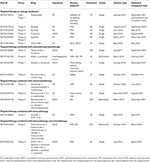
Tabular array 1. Ongoing clinical trials of targeted therapy for esophageal cancer in China.
Nevertheless, surgery, CT, RT, CRT, or targeted therapy tin can only bring balmy survival advantages to EC patients, making this disease one of the leading causes for cancer-related death.
Immunotherapy for EC/ESCC
Recently, immunotherapy has opened a new era for cancer handling with extraordinary therapeutic benefits in certain cancer patients. Clinically, there are two major immunotherapy options for EC patients, which are anti-programmed jail cell expiry i ligand 1 (anti-PD-L1)/anti-programmed prison cell death 1 (anti-PD-i) and anticytotoxic T-lymphocyte-associated antigen-iv (anti-CTLA-four) therapy. A comprehensive overview for those ongoing clinical trials of immunotherapy for Chinese EC patients are listed in Table two.
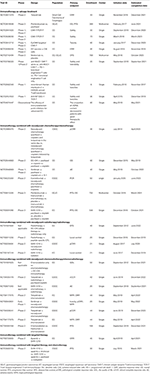
Table two. Ongoing clinical trials of immunotherapy for esophageal cancer in China.
Anti-PD-L1 or Anti-PD-1 Therapy
PD-L1, a molecule that locates on the tumor cells' surface, tin bind to PD-1, which is expressed on the T cells' membrane, resulting in inhibition of T-cell part thus, contributing to tumor prison cell escape from immunosurveillance (86).
Pembrolizumab is a PD-1 inhibitor, which was first canonical by FDA for treating patients with advanced or unresectable melanoma (87). KEYNOTE-028, a multicohort phase IB written report, was designed to investigate the potential therapeutic effect of pembrolizumab on patients with PD-L1-positive advanced solid tumors. In the EC cohort, patients were treated with pembrolizumab every 2 weeks for up to ii years or until confirmed disease progression or intolerable toxicity. The overall response rate was 30% (95% CI: 13–53%), and the median duration of response was fifteen months (range from 6 to 26 months) (88). KEYNOTE-180, a phase 2, open-label, interventional, and single-arm study, was designed to evaluate the efficacy and rubber of pembrolizumab for advanced, metastatic ESCC, EAC, or gastroesophageal junction adenocarcinoma patients with disease progression later two or more lines of systematic therapies. The objective response rate was 9.nine% (95% CI: v.2–16.7%) among all patients (12 of 121), while the median duration of response was not achieved (range, 1.nine–14.4 months). In detail, the objective response rate was 14.3% (95% CI: 6.7–25.4%) for ESCC patients (9 of 63), 5.2% (95% CI: 1.1–14.four%) for EAC patients (3 of 58), xiii.8% (95% CI: 6.1–25.iv%) for all patients with PD-L1-positive tumors (8 of 58), and 6.3% (95% CI: i.8–15.5%) for all patients with PD-L1-negative tumors (4 of 63) (89), suggesting a quite low response rate of EC patients to anti PD-1/PD-L1 therapy.
Anti-CTLA-4 Therapy
CTLA-4 is a transmembrane receptor on T cells, which inactivates early stages of T cells past interacting with CD80 or CD86 (86). Currently, the immunotherapy targeting CTLA-iv has been wildly used for treating various cancer patients, including EC (ninety, 91). The efficacy of tremelimumab, a monoclonal antibody against CTLA-4, was previously investigated for treating metastatic gastric cancer and EAC patients; unfortunately, a phase 2 clinical trial that enrolled xviii such patients treated with tremelimumab revealed no effects on progression-free survival (PFS) or Bone (92). In the CheckMate-032 study, a multicohort, phase I/Ii trial, 160 patients with locally avant-garde or metastatic chemotherapy-resistant EC, gastric, or gastroesophageal junction cancer were treated with either (i) nivolumab (3 mg/kg), (ii) nivolumab (1 mg/kg) plus ipilimumab (3 mg/kg), or (iii) nivolumab (3 mg/kg) plus ipilimumab (1 mg/kg). The objective response rates were 12% (95% CI: 5–23%), 24% (95% CI: 13–39%), and 8% (95% CI: ii–ix%), the 12-month PFS rates were 8, 17, and x%, and the 12-month OS rates were 39, 35, and 24% for the abovementioned three groups, respectively. This study demonstrated for the showtime fourth dimension that combined anti-PD-L1/PD1 and anti-CTLA-4 therapy could provide clinical benefits and durable antitumor activity for advanced or metastatic chemotherapy-resistant EC, gastric, or gastroesophageal junction cancer patients (93); however, more than randomized controlled trials were required to validate the efficacy and safety of anti-CTLA-4 therapy for EC patients.
Conclusions
Although the incidence of EC is decreasing in the last few decades, it remains as one of the leading causes of cancer-related deaths in Cathay. ESCC and EAC, two subtypes of EC, share very express similarity in risk factors as well as genetic mutation profile, suggesting that they are actually ii distinct diseases; thus, the treatment strategy and prognosis for these two EC subtypes could be quite different. Until at present, the most efficient strategy to treat EC patients is combining esophagectomy and lymphadenectomy; therefore, early screening and diagnosis for EC patients are of utmost importance. Currently, the majority of EC patients are diagnosed at a late stage with local or distant metastasis, and many bachelor therapies, including targeted therapy and immunotherapy, exercise not bring satisfying survival advantages for these patients as for other cancer populations. Combining different therapies together represents a promising strategy in the future for late-phase EC patients, although extensive clinical trials are demanded in a randomized, multi-center fashion. The comprehensive understanding of EC tumorigenesis is even so lacking due to limited research systems, equally nigh findings of EC evolution are generated from in vitro cultured EC cell lines. Nosotros, therefore, advocate newly emerged tools, such as EC patient-derived organoid (EC-PDO) (94, 95) and spontaneous EC animal models (96) to seek ultimate personalized therapy for EC patients.
Writer Contributions
JY and XL nerveless the data of clinical trials and drafted the manuscript. SC and XD coordinated and edited the drafting of the manuscript. KC and SR revised and edited the concluding version of the manuscript. All authors read and approved the last manuscript.
Funding
This piece of work was supported by the startup funding of the Southern Medical University and National Natural Science Foundation of Cathay Youth Project (81903097).
Conflict of Interest
The authors declare that the research was conducted in the absence of whatever commercial or financial relationships that could exist construed as a potential conflict of interest.
Acknowledgments
Nosotros give thanks all our colleagues from the Department of Thoracic Surgery, Nanfang Hospital, for their kind suggestion and thoughtful discussion.
Abbreviations
EC, esophageal cancer; ESCC, esophageal squamous jail cell carcinoma; EAC, esophageal adenocarcinoma; GEJC, gastroesophageal junction carcinomas; GC, gastric cancer; NCCRC, National Cardinal Cancer Registry of China; IARC, the International Agency for Enquiry on Cancer; RR, adventure ratio; CI, confidence interval; OR, odds ratio; ADH, alcohol dehydrogenase; GERD, gastroesophageal reflux affliction; SIR, standardized incidence ratio; IRR, incidence rate ratio; BMI, body mass alphabetize; WES, whole exome sequencing; WGS, whole genome sequencing; CT, chemotherapy; RT, radiotherapy; CRT, chemoradiotherapy; Bone, overall survival; EGFR, epidermal growth factor receptor; hEGFR, human epidermal growth gene receptor; PI3K/mTOR, phosphoinositide 3-kinase/mammalian target of rapamycin; anti-PD-L1, anti-programmed cell death i ligand ane; anti-PD-one, anti-programmed cell death one; anti-CTLA4, anticytotoxic T lymphocyte-associated antigen-4; PFS, progression-free survival; PDO, patient-derived organoid.
References
ane. Bray F, Ferlay J, Soerjomataram I, Siegel RL, Torre LA, Jemal A. Global cancer statistics 2018: GLOBOCAN estimates of incidence and mortality worldwide for 36 cancers in 185 countries. CA Cancer J Clin. (2018) 68:394–424. doi: x.3322/caac.21492
PubMed Abstruse | CrossRef Full Text | Google Scholar
v. Lin Y, Totsuka Y, He Y, Kikuchi S, Qiao Y, Ueda J, et al. Epidemiology of esophageal cancer in Japan and Cathay. J Epidemiol. (2013) 23:233–42. doi: 10.2188/jea.JE20120162
CrossRef Full Text | Google Scholar
6. He Y, Li D, Shan B, Liang D, Shi J, Chen Westward, et al. Incidence and mortality of esophagus cancer in Prc, 2008-2012. Chin J Cancer Res. (2019) 31:426–34. doi: 10.21147/j.issn.1000-9604.2019.03.04
PubMed Abstract | CrossRef Full Text | Google Scholar
7. Vizcaino AP, Moreno V, Lambert R, Parkin DM. Fourth dimension trends incidence of both major histologic types of esophageal carcinomas in selected countries, 1973-1995. Int J Cancer. (2002) 99:860–8. doi: 10.1002/ijc.10427
PubMed Abstract | CrossRef Full Text | Google Scholar
8. Castro C, Bosetti C, Malvezzi M, Bertuccio P, Levi F, Negri E, et al. Patterns and trends in esophageal cancer mortality and incidence in Europe (1980-2011) and predictions to 2015. Ann Oncol. (2014) 25:283–xc. doi: x.1093/annonc/mdt486
PubMed Abstract | CrossRef Full Text | Google Scholar
9. Islami F, Desantis CE, Jemal A. Incidence trends of esophageal and gastric cancer subtypes past race, ethnicity, and age in the Us, 1997-2014. Clin Gastroenterol Hepatol. (2019) 17:429–39. doi: 10.1016/j.cgh.2018.05.044
PubMed Abstract | CrossRef Full Text | Google Scholar
10. Wang G, Johnson A, Ali SM, Klempner SJ, Bekaii-Saab T, Vacirca JL, et al. Comprehensive genomic profiling of advanced esophageal squamous cell carcinomas and esophageal adenocarcinomas reveals similarities and differences. Oncologist. (2015) 20:1132–9. doi: 10.1634/theoncologist.2015-0156
PubMed Abstract | CrossRef Full Text | Google Scholar
11. Cancer Genome Atlas Research N, Analysis Working Group: Asan U, Bureau BCC, Brigham Women'southward H, Wide I, Brown U, et al. Integrated genomic characterization of oesophageal carcinoma. Nature. (2017) 541:169–75. doi: 10.1038/nature20805
PubMed Abstract | CrossRef Full Text | Google Scholar
12. Chen West, Zheng R, Zuo T, Zeng H, Zhang Southward, He J. National cancer incidence and mortality in People's republic of china, 2012. Chin J Cancer Res. (2016) 28:1–11. doi: 10.3978/j.issn.1000-9604.2016.02.08
CrossRef Full Text | Google Scholar
14. Chen Due west, Sun K, Zheng R, Zeng H, Zhang Due south, Xia C, et al. Cancer incidence and bloodshed in China, 2014. Chin J Cancer Res. (2018) 30:1–12. doi: 10.21147/j.issn.1000-9604.2018.01.01
CrossRef Total Text | Google Scholar
fifteen. Lan 50, Zhao F, Cai Y, Wu RX, Meng Q. Epidemiological analysis on mortality of cancer in China, 2015. Zhonghua Liu Xing Bing Xue Za Zhi. (2018) 39:32–4. doi: 10.3760/cma.j.issn.0254-6450.2018.01.006
PubMed Abstract | CrossRef Full Text | Google Scholar
16. Zhou MG, Wang XF, Hu JP, Li GL, Chen WQ, Zhang SW, et al. [Geographical distribution of cancer mortality in China, 2004-2005]. Zhonghua Yu Fang Yi Xue Za Zhi. (2010) 44:303–8. doi: ten.3760/cma.j.issn.0253-9624.2010.04.006
PubMed Abstract | CrossRef Full Text | Google Scholar
17. Zeng H, Zheng R, Zhang S, Zuo T, Xia C, Zou X, et al. Esophageal cancer statistics in China, 2011: estimates based on 177 cancer registries. Thorac Cancer. (2016) vii:232–7. doi: x.1111/1759-7714.12322
PubMed Abstract | CrossRef Full Text | Google Scholar
18. Zeng H, Chen Westward, Zheng R, Zhang S, Ji JS, Zou X, et al. Changing cancer survival in Cathay during 2003-15: a pooled analysis of 17 population-based cancer registries. Lancet Glob Wellness. (2018) 6:e555–67. doi: 10.1016/S2214-109X(18)30127-Ten
PubMed Abstract | CrossRef Full Text | Google Scholar
19. Hou H, Meng Z, Zhao X, Ding G, Sun M, Wang W, et al. Survival of esophageal cancer in mainland china: a pooled analysis on hospital-based studies from 2000 to 2018. Front Oncol. (2019) nine:548. doi: ten.3389/fonc.2019.00548
PubMed Abstract | CrossRef Full Text | Google Scholar
21. Li Y, Yu Fifty, Na J, Li S, Liu L, Mu H, et al. Survival of cancer patients in Northeast Red china: assay of sampled cancers from population-based cancer registries. Cancer Res Treat. (2017) 49:1106–13. doi: 10.4143/crt.2016.613
PubMed Abstract | CrossRef Full Text | Google Scholar
22. Wang J, Wu Due north, Zheng QF, Yan Southward, Lv C, Li SL, et al. Evaluation of the 7th edition of the TNM classification in patients with resected esophageal squamous cell carcinoma. World J Gastroenterol. (2014) 20:18397–403. doi: 10.3748/wjg.v20.i48.18397
PubMed Abstract | CrossRef Full Text | Google Scholar
23. Hou 10, Wei JC, Fu JH, Wang X, Zhang LJ, Lin P, et al. Proposed modification of the seventh American joint commission on cancer staging system for esophageal squamous cell carcinoma in Chinese patients. Ann Surg Oncol. (2014) 21:337–42. doi: ten.1245/s10434-013-3265-ii
PubMed Abstract | CrossRef Total Text | Google Scholar
24. Chen MQ, Xu BH, Zhang YY. Analysis of prognostic factors for esophageal squamous jail cell carcinoma with afar organ metastasis at initial diagnosis. J Chin Med Assoc. (2014) 77:562–6. doi: 10.1016/j.jcma.2014.05.014
PubMed Abstract | CrossRef Full Text | Google Scholar
25. Chen JG, Chen HZ, Zhu J, Yang YL, Zhang YH, Huang PX, et al. Cancer survival in patients from a hospital-based cancer registry, China. J Cancer. (2018) 9:851–threescore. doi: 10.7150/jca.23039
PubMed Abstract | CrossRef Full Text | Google Scholar
26. Cancer IAFR. List of Classifications by Cancer Sites With Sufficient or Limited Prove in Humans. Lyon: IARC (2015).
Google Scholar
28. Doll R, Peto R, Wheatley G, Gray R, Sutherland I. Mortality in relation to smoking: xl years' observations on male British doctors. BMJ. (1994) 309:901–eleven. doi: x.1136/bmj.309.6959.901
PubMed Abstract | CrossRef Full Text | Google Scholar
29. Wang QL, Xie SH, Li WT, Lagergren J. Smoking cessation and gamble of esophageal cancer by histological type: systematic review and meta-analysis. J Natl Cancer Inst. (2017) 109:djx115. doi: 10.1093/jnci/djx115
PubMed Abstruse | CrossRef Full Text | Google Scholar
30. Gammon MD, Schoenberg JB, Ahsan H, Risch HA, Vaughan TL, Chow WH, et al. Tobacco, alcohol, and socioeconomic status and adenocarcinomas of the esophagus and gastric cardia. J Natl Cancer Inst. (1997) 89:1277–84. doi: x.1093/jnci/89.17.1277
PubMed Abstruse | CrossRef Full Text | Google Scholar
31. Engel LS, Chow WH, Vaughan TL, Gammon MD, Risch HA, Stanford JL, et al. Population attributable risks of esophageal and gastric cancers. J Natl Cancer Inst. (2003) 95:1404–13. doi: x.1093/jnci/djg047
PubMed Abstract | CrossRef Full Text | Google Scholar
32. Bagnardi V, Rota M, Botteri E, Tramacere I, Islami F, Fedirko V, et al. Light alcohol drinking and cancer: a meta-assay. Ann Oncol. (2013) 24:301–eight. doi: 10.1093/annonc/mds337
PubMed Abstract | CrossRef Full Text | Google Scholar
33. Islami F, Fedirko Five, Tramacere I, Bagnardi V, Jenab Yard, Scotti 50, et al. Alcohol drinking and esophageal squamous cell carcinoma with focus on light-drinkers and never-smokers: a systematic review and meta-analysis. Int J Cancer. (2011) 129:2473–84. doi: 10.1002/ijc.25885
PubMed Abstract | CrossRef Full Text | Google Scholar
34. Pan D, Su Thou, Zhang T, Miao C, Fu Fifty, Yang Fifty, et al. A distinct epidemiologic pattern of precancerous lesions of esophageal squamous cell carcinoma in a high-gamble expanse of Huai'an, Jiangsu Province, People's republic of china. Cancer Prev Res. (2019) 12:449–62. doi: 10.1158/1940-6207.CAPR-18-0462
CrossRef Full Text | Google Scholar
35. Zhao F, Su JF, Lun SM, Hou YJ, Duan LJ, Wang NC, et al. Association betwixt polymorphisms in the CYP1A1, CYP2E1 and GSTM1 genes, and smoking, alcohol and upper digestive tract carcinomas in a high-incidence area of northern People's republic of china. Oncol Lett. (2019) eighteen:1267–77. doi: 10.3892/ol.2019.10455
PubMed Abstract | CrossRef Full Text | Google Scholar
36. Wu Chiliad, Zhao JK, Zhang ZF, Han RQ, Yang J, Zhou JY, et al. Smoking and booze drinking increased the risk of esophageal cancer among Chinese men but not women in a high-risk population. Cancer Causes Command. (2011) 22:649–57. doi: x.1007/s10552-011-9737-4
PubMed Abstract | CrossRef Full Text | Google Scholar
37. Yang X, Chen 10, Zhuang 1000, Yuan Z, Nie S, Lu M, et al. Smoking and alcohol drinking in relation to the risk of esophageal squamous cell carcinoma: a population-based case-control study in China. Sci Rep. (2017) 7:17249. doi: x.1038/s41598-017-17617-two
PubMed Abstruse | CrossRef Total Text | Google Scholar
38. Suo C, Yang Y, Yuan Z, Zhang T, Yang X, Qing T, et al. Alcohol intake interacts with functional genetic polymorphisms of aldehyde dehydrogenase (ALDH2) and alcohol dehydrogenase (ADH) to increase esophageal squamous jail cell cancer risk. J Thorac Oncol. (2019) 14:712–25. doi: 10.1016/j.jtho.2018.12.023
PubMed Abstract | CrossRef Full Text | Google Scholar
39. Freedman ND, Murray LJ, Kamangar F, Abnet CC, Cook MB, Nyren O, et al. Booze intake and risk of oesophageal adenocarcinoma: a pooled analysis from the Beacon consortium. Gut. (2011) 60:1029–37. doi: 10.1136/gut.2010.233866
PubMed Abstract | CrossRef Total Text | Google Scholar
twoscore. Jeurnink SM, Buchner FL, Bueno-De-Mesquita HB, Siersema PD, Boshuizen HC, Numans ME, et al. Variety in vegetable and fruit consumption and the risk of gastric and esophageal cancer in the European prospective investigation into cancer and nutrition. Int J Cancer. (2012) 131:E963–73. doi: 10.1002/ijc.27517
PubMed Abstract | CrossRef Total Text | Google Scholar
42. Qu X, Ben Q, Jiang Y. Consumption of ruby and processed meat and take a chance for esophageal squamous cell carcinoma based on a meta-analysis. Ann Epidemiol. (2013) 23:762–lxx.e761. doi: x.1016/j.annepidem.2013.09.003
PubMed Abstruse | CrossRef Total Text | Google Scholar
43. Zhu HC, Yang 10, Xu LP, Zhao LJ, Tao GZ, Zhang C, et al. Meat consumption is associated with esophageal cancer adventure in a meat- and cancer-histological-blazon dependent way. Dig Dis Sci. (2014) 59:664–73. doi: 10.1007/s10620-013-2928-y
PubMed Abstract | CrossRef Full Text | Google Scholar
44. Castellsague X, Munoz N, De Stefani E, Victora CG, Castelletto R, Rolon PA. Influence of mate drinking, hot beverages and diet on esophageal cancer gamble in South America. Int J Cancer. (2000) 88:658–64. doi: ten.1002/1097-0215(20001115)88:four<658::Aid-IJC22>three.0.CO;ii-T
PubMed Abstract | CrossRef Full Text | Google Scholar
45. Andrici J, Eslick GD. Hot food and beverage consumption and the risk of esophageal cancer: a meta-analysis. Am J Prev Med. (2015) 49:952–60. doi: ten.1016/j.amepre.2015.07.023
CrossRef Total Text | Google Scholar
46. Tai WP, Nie GJ, Chen MJ, Yaz TY, Guli A, Wuxur A, et al. Hot food and beverage consumption and the risk of esophageal squamous cell carcinoma: a case-command study in a northwest area in China. Medicine. (2017) 96:e9325. doi: x.1097/Md.0000000000009325
PubMed Abstract | CrossRef Total Text | Google Scholar
47. Chow WH, Finkle WD, Mclaughlin JK, Frankl H, Ziel HK, Fraumeni JF Jr. The relation of gastroesophageal reflux illness and its treatment to adenocarcinomas of the esophagus and gastric cardia. JAMA. (1995) 274:474–7. doi: 10.1001/jama.1995.03530060048032
PubMed Abstract | CrossRef Full Text | Google Scholar
48. Lagergren J, Bergstrom R, Lindgren A, Nyren O. Symptomatic gastroesophageal reflux as a gamble cistron for esophageal adenocarcinoma. N Engl J Med. (1999) 340:825–31. doi: x.1056/NEJM199903183401101
PubMed Abstruse | CrossRef Full Text | Google Scholar
49. Ye West, Grub WH, Lagergren J, Yin L, Nyren O. Risk of adenocarcinomas of the esophagus and gastric cardia in patients with gastroesophageal reflux diseases and after antireflux surgery. Gastroenterology. (2001) 121:1286–93. doi: x.1053/gast.2001.29569
PubMed Abstruse | CrossRef Full Text | Google Scholar
50. Rubenstein JH, Taylor JB. Meta-analysis: the clan of oesophageal adenocarcinoma with symptoms of gastro-oesophageal reflux. Aliment Pharmacol Ther. (2010) 32:1222–7. doi: x.1111/j.1365-2036.2010.04471.ten
PubMed Abstract | CrossRef Full Text | Google Scholar
51. O'doherty MG, Freedman ND, Hollenbeck AR, Schatzkin A, Abnet CC. A prospective cohort report of obesity and risk of oesophageal and gastric adenocarcinoma in the NIH-AARP diet and health written report. Gut. (2012) 61, 1261–8. doi: x.1136/gutjnl-2011-300551
PubMed Abstract | CrossRef Full Text | Google Scholar
52. Hoyo C, Cook MB, Kamangar F, Freedman ND, Whiteman DC, Bernstein Fifty, et al. Trunk mass index in relation to oesophageal and oesophagogastric junction adenocarcinomas: a pooled analysis from the International Buoy Consortium. Int J Epidemiol. (2012) 41:1706–18. doi: 10.1093/ije/dys176
PubMed Abstruse | CrossRef Full Text | Google Scholar
53. Smith M, Zhou M, Whitlock Thousand, Yang G, Offer A, Hui G, et al. Esophageal cancer and body mass alphabetize: results from a prospective study of 220,000 men in People's republic of china and a meta-assay of published studies. Int J Cancer. (2008) 122:1604–10. doi: ten.1002/ijc.23198
PubMed Abstract | CrossRef Full Text | Google Scholar
54. Wang SM, Fan JH, Jia MM, Yang Z, Zhang YQ, Qiao YL, et al. Body mass index and long-term take chances of death from esophageal squamous jail cell carcinoma in a Chinese population. Thorac Cancer. (2016) vii:387–92. doi: x.1111/1759-7714.12340
PubMed Abstract | CrossRef Full Text | Google Scholar
55. Tran GD, Lord's day XD, Abnet CC, Fan JH, Dawsey SM, Dong ZW, et al. Prospective study of take a chance factors for esophageal and gastric cancers in the Linxian general population trial accomplice in China. Int J Cancer. (2005) 113:456–63. doi: x.1002/ijc.20616
PubMed Abstract | CrossRef Full Text | Google Scholar
56. Islami F, Kamangar F, Nasrollahzadeh D, Aghcheli 1000, Sotoudeh One thousand, Abedi-Ardekani B, et al. Socio-economic condition and oesophageal cancer: results from a population-based case-control study in a loftier-chance expanse. Int J Epidemiol. (2009) 38:978–88. doi: x.1093/ije/dyp195
PubMed Abstract | CrossRef Total Text | Google Scholar
57. Lagergren J, Andersson G, Talback M, Drefahl S, Bihagen E, Harkonen J, et al. Marital status, education, and income in relation to the risk of esophageal and gastric cancer by histological type and site. Cancer. (2016) 122:207–12. doi: 10.1002/cncr.29731
PubMed Abstract | CrossRef Full Text | Google Scholar
58. Jansson C, Johansson AL, Nyren O, Lagergren J. Socioeconomic factors and take chances of esophageal adenocarcinoma: a nationwide Swedish case-control study. Cancer Epidemiol Biomarkers Prev. (2005) 14:1754–61. doi: 10.1158/1055-9965.EPI-05-0140
PubMed Abstruse | CrossRef Full Text | Google Scholar
59. Salem ME, Puccini A, Xiu J, Raghavan D, Lenz HJ, Korn WM, et al. Comparative molecular analyses of esophageal squamous cell carcinoma, esophageal adenocarcinoma, and gastric adenocarcinoma. Oncologist. (2018) 23:1319–27. doi: 10.1634/theoncologist.2018-0143
PubMed Abstract | CrossRef Total Text | Google Scholar
lx. Simba H, Kuivaniemi H, Lutje Five, Tromp G, Sewram Five. Systematic review of genetic factors in the etiology of esophageal squamous prison cell carcinoma in African populations. Front end Genet. (2019) 10:642. doi: 10.3389/fgene.2019.00642
PubMed Abstruse | CrossRef Full Text | Google Scholar
61. Chen Twenty, Zhong Q, Liu Y, Yan SM, Chen ZH, Jin SZ, et al. Genomic comparing of esophageal squamous prison cell carcinoma and its precursor lesions by multi-region whole-exome sequencing. Nat Commun. (2017) 8:524. doi: 10.1038/s41467-017-00650-0
PubMed Abstract | CrossRef Full Text | Google Scholar
62. Lin DC, Wang MR, Koeffler HP. Genomic and epigenomic aberrations in esophageal squamous cell carcinoma and implications for patients. Gastroenterology. (2018) 154:374–89. doi: 10.1053/j.gastro.2017.06.066
PubMed Abstruse | CrossRef Full Text | Google Scholar
64. Lin DC, Hao JJ, Nagata Y, Xu L, Shang L, Meng X, et al. Genomic and molecular characterization of esophageal squamous jail cell carcinoma. Nat Genet. (2014) 46:467–73. doi: 10.1038/ng.2935
PubMed Abstract | CrossRef Full Text | Google Scholar
66. Sasaki Y, Tamura M, Koyama R, Nakagaki T, Adachi Y, Tokino T. Genomic characterization of esophageal squamous cell carcinoma: insights from side by side-generation sequencing. World J Gastroenterol. (2016) 22:2284–93. doi: 10.3748/wjg.v22.i7.2284
PubMed Abstract | CrossRef Full Text | Google Scholar
67. Ko JM, Ning L, Zhao XK, Chai AWY, Lei LC, Choi SSA, et al. BRCA2 loss-of-part germline mutations are associated with esophageal squamous jail cell carcinoma risk in Chinese. Int J Cancer. (2019) 146:1042–51. doi: 10.1002/ijc.32619
PubMed Abstract | CrossRef Full Text | Google Scholar
68. Golyan FF, Druley TE, Abbaszadegan MR. Whole-exome sequencing of familial esophageal squamous jail cell carcinoma identified rare pathogenic variants in new predisposition genes. Clin Transl Oncol. (2019) 22:681–93. doi: 10.1007/s12094-019-02174-z
PubMed Abstract | CrossRef Total Text | Google Scholar
69. Guo Ten, Tang Y, Zhu Due west. Distinct esophageal adenocarcinoma molecular subtype has subtype-specific cistron expression and mutation patterns. BMC Genomics. (2018) 19:769. doi: 10.1186/s12864-018-5165-0
PubMed Abstract | CrossRef Full Text | Google Scholar
70. Sethi Due north, Kikuchi O, Mcfarland J, Zhang Y, Chung M, Kafker North, et al. Mutant p53 induces a hypoxia transcriptional program in gastric and esophageal adenocarcinoma. JCI Insight. (2019) 4:e128439. doi: 10.1172/jci.insight.128439
PubMed Abstract | CrossRef Full Text | Google Scholar
71. Suh YS, Han DS, Kong SH, Lee HJ, Kim YT, Kim WH, et al. Should adenocarcinoma of the esophagogastric junction exist classified as esophageal cancer? A comparative analysis according to the seventh AJCC TNM nomenclature. Ann Surg. (2012) 255:908–15. doi: 10.1097/SLA.0b013e31824beb95
PubMed Abstract | CrossRef Total Text | Google Scholar
72. Dulak AM, Stojanov P, Peng Due south, Lawrence MS, Fox C, Stewart C, et al. Exome and whole-genome sequencing of esophageal adenocarcinoma identifies recurrent driver events and mutational complexity. Nat Genet. (2013) 45:478–86. doi: 10.1038/ng.2591
PubMed Abstract | CrossRef Full Text | Google Scholar
73. Lordick F, Mariette C, Haustermans 1000, Obermannova R, Arnold D. Oesophageal cancer: ESMO clinical practice guidelines for diagnosis, treatment and follow-upwardly. Ann Oncol. (2016) 27:v50–seven. doi: 10.1093/annonc/mdw329
PubMed Abstruse | CrossRef Full Text | Google Scholar
75. Grouping MRCOCW. Surgical resection with or without preoperative chemotherapy in oesophageal cancer: a randomised controlled trial. Lancet. (2002) 359:1727–33. doi: ten.1016/S0140-6736(02)08651-8
CrossRef Full Text | Google Scholar
76. Xu XH, Peng XH, Yu P, Xu XY, Cai EH, Guo P, et al. Neoadjuvant chemotherapy for resectable esophageal carcinoma: a meta-analysis of randomized clinical trials. Asian Pac J Cancer Prev. (2012) 13:103–10. doi: x.7314/APJCP.2012.13.1.103
PubMed Abstract | CrossRef Full Text | Google Scholar
77. Kidane B, Coughlin S, Vogt Chiliad, Malthaner R. Preoperative chemotherapy for resectable thoracic esophageal cancer. Cochrane Database Syst Rev. (2015) 2015:CD001556. doi: 10.1002/14651858.CD001556.pub3
PubMed Abstract | CrossRef Total Text | Google Scholar
78. Arnott SJ, Duncan West, Gignoux M, Girling DJ, Hansen HS, Launois B, et al. Preoperative radiotherapy in esophageal carcinoma: a meta-analysis using individual patient information (oesophageal cancer collaborative group). Int J Radiat Oncol Biol Phys. (1998) 41:579–83. doi: ten.1016/S0360-3016(97)00569-5
PubMed Abstract | CrossRef Full Text | Google Scholar
79. Pasquali S, Yim G, Vohra RS, Mocellin Due south, Nyanhongo D, Marriott P, et al. Survival afterward neoadjuvant and adjuvant treatments compared to surgery alone for resectable esophageal carcinoma. Ann Surg. (2017) 265:481–91. doi: x.1097/SLA.0000000000001905
PubMed Abstruse | CrossRef Full Text | Google Scholar
80. Dutton SJ, Ferry DR, Blazeby JM, Abbas H, Dahle-Smith A, Mansoor W, et al. Gefitinib for oesophageal cancer progressing after chemotherapy (COG): a phase 3, multicentre, double-blind, placebo-controlled randomised trial. Lancet Oncol. (2014) 15:894–904. doi: x.1016/S1470-2045(xiv)70024-5
PubMed Abstruse | CrossRef Total Text | Google Scholar
81. Janmaat ML, Gallegos-Ruiz MI, Rodriguez JA, Meijer GA, Vervenne WL, Richel DJ, et al. Predictive factors for upshot in a phase II study of gefitinib in second-line treatment of avant-garde esophageal cancer patients. J Clin Oncol. (2006) 24:1612–9. doi: 10.1200/JCO.2005.03.4900
PubMed Abstract | CrossRef Full Text | Google Scholar
82. Kato K, Doi T, Kojima T, Hara H, Takahashi S, Muro 1000, et al. Stage 2 study of BKM120 in patients with advanced esophageal squamous jail cell carcinoma (EPOC1303). J Clin Oncol. (2017) 35:4069. doi: x.1200/JCO.2017.35.15_suppl.4069
CrossRef Full Text | Google Scholar
83. Suntharalingam M, Winter Chiliad, Ilson D, Dicker AP, Kachnic L, Konski A, et al. Effect of the addition of cetuximab to paclitaxel, cisplatin, and radiation therapy for patients with esophageal cancer: the NRG oncology RTOG 0436 phase 3 randomized clinical trial. JAMA Oncol. (2017) 3:1520–8. doi: ten.1001/jamaoncol.2017.1598
PubMed Abstract | CrossRef Total Text | Google Scholar
84. Bang YJ, Van Cutsem E, Feyereislova A, Chung HC, Shen L, Sawaki A, et al. Trastuzumab in combination with chemotherapy versus chemotherapy lonely for handling of HER2-positive avant-garde gastric or gastro-oesophageal junction cancer (ToGA): a phase iii, open-label, randomised controlled trial. Lancet. (2010) 376:687–97. doi: 10.1016/S0140-6736(ten)61121-X
PubMed Abstract | CrossRef Full Text | Google Scholar
85. Tabernero J, Hoff PM, Shen L, Ohtsu A, Shah MA, Cheng K, et al. Pertuzumab plus trastuzumab and chemotherapy for HER2-positive metastatic gastric or gastro-oesophageal junction cancer (JACOB): final analysis of a double-blind, randomised, placebo-controlled stage 3 study. Lancet Oncol. (2018) 19:1372–84. doi: 10.1016/S1470-2045(18)30481-9
PubMed Abstract | CrossRef Full Text | Google Scholar
87. Robert C, Ribas A, Wolchok JD, Hodi FS, Hamid O, Kefford R, et al. Anti-programmed-death-receptor-1 treatment with pembrolizumab in ipilimumab-refractory advanced melanoma: a randomised dose-comparison accomplice of a phase 1 trial. Lancet. (2014) 384:1109–17. doi: x.1016/S0140-6736(14)60958-2
PubMed Abstract | CrossRef Full Text | Google Scholar
88. Doi T, Piha-Paul SA, Jalal SI, Saraf S, Lunceford J, Koshiji M, et al. Prophylactic and antitumor activity of the anti-programmed death-1 antibiotic pembrolizumab in patients with advanced esophageal carcinoma. J Clin Oncol. (2018) 36:61–7. doi: 10.1200/JCO.2017.74.9846
PubMed Abstract | CrossRef Total Text | Google Scholar
89. Shah MA, Kojima T, Hochhauser D, Enzinger P, Raimbourg J, Hollebecque A, et al. Efficacy and safety of pembrolizumab for heavily pretreated patients with avant-garde, metastatic adenocarcinoma or squamous prison cell carcinoma of the esophagus: the phase ii KEYNOTE-180 report. JAMA Oncol. (2019) v:546–50. doi: 10.1001/jamaoncol.2018.5441
PubMed Abstract | CrossRef Full Text | Google Scholar
92. Ralph C, Elkord E, Burt DJ, O'dwyer JF, Austin EB, Stern PL, et al. Modulation of lymphocyte regulation for cancer therapy: a phase Ii trial of tremelimumab in advanced gastric and esophageal adenocarcinoma. Clin. Cancer Res. (2010) 16:1662–72. doi: x.1158/1078-0432.CCR-09-2870
PubMed Abstract | CrossRef Total Text | Google Scholar
93. Janjigian YY, Bendell J, Calvo Due east, Kim JW, Ascierto PA, Sharma P, et al. CheckMate-032 written report: efficacy and prophylactic of nivolumab and nivolumab plus ipilimumab in patients with metastatic esophagogastric cancer. J Clin Oncol. (2018) 36:2836–44. doi: 10.1200/JCO.2017.76.6212
PubMed Abstract | CrossRef Full Text | Google Scholar
94. Li X, Francies HE, Secrier M, Perner J, Miremadi A, Galeano-Dalmau Due north, et al. Organoid cultures recapitulate esophageal adenocarcinoma heterogeneity providing a model for clonality studies and precision therapeutics. Nat Commun. (2018) 9:2983. doi: 10.1038/s41467-018-05190-9
PubMed Abstract | CrossRef Full Text | Google Scholar
95. Kijima T, Nakagawa H, Shimonosono M, Chandramouleeswaran PM, Hara T, Sahu Five, et al. Iii-dimensional organoids reveal therapy resistance of esophageal and oropharyngeal squamous prison cell carcinoma cells. Cell Mol Gastroenterol Hepatol. (2019) 7:73–91. doi: 10.1016/j.jcmgh.2018.09.003
PubMed Abstract | CrossRef Total Text | Google Scholar
Source: https://www.frontiersin.org/articles/10.3389/fonc.2020.01727/full
0 Response to "Esophageal Cancer in the Us Social Class Peer Reviewed"
Post a Comment